
Description
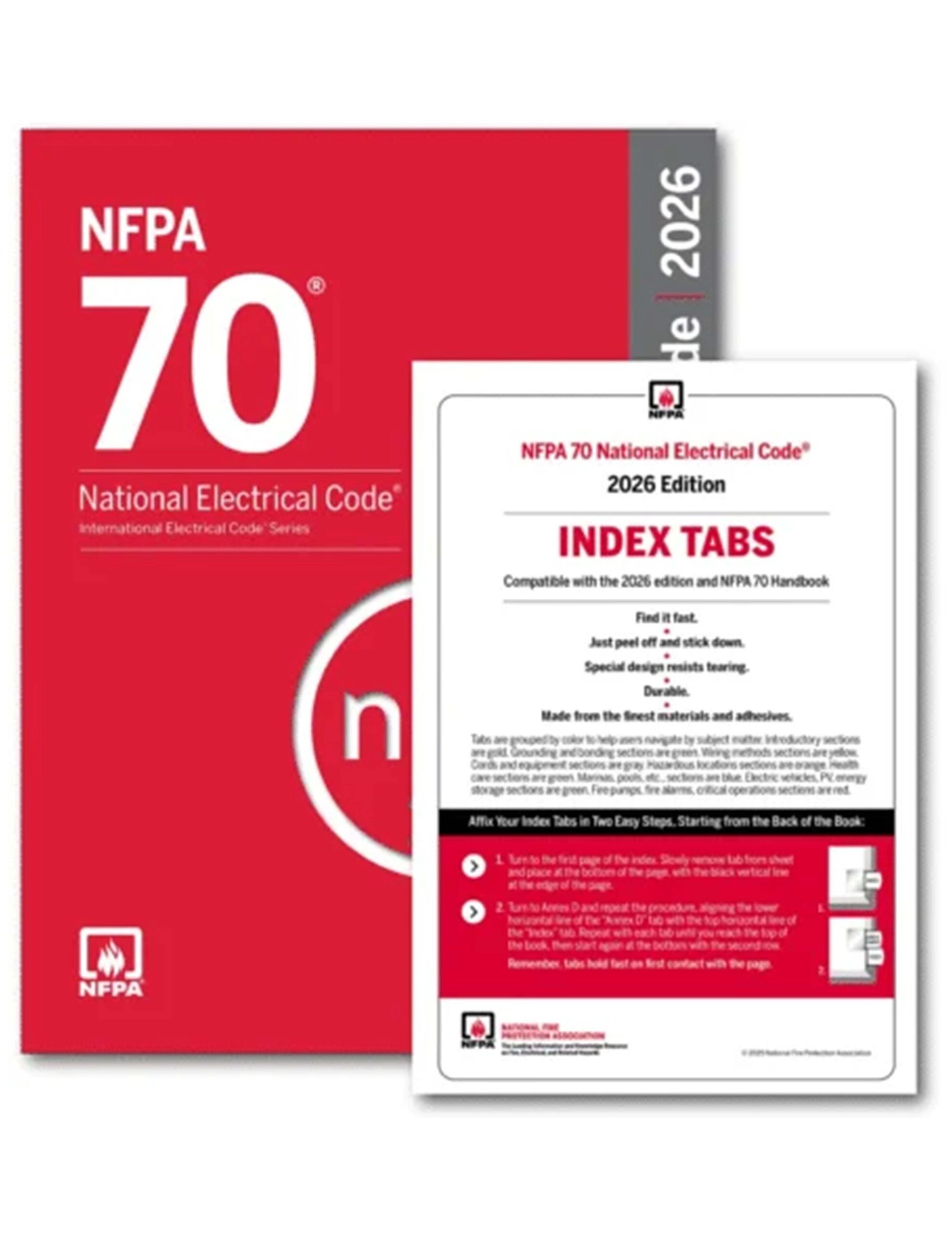
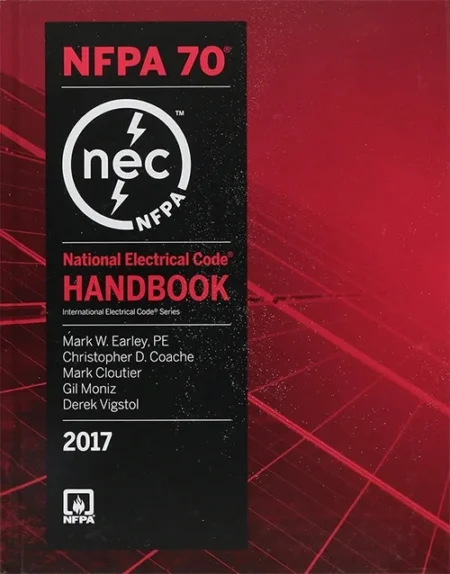
NFPA 70: National Electrical Code (NEC)
The NFPA 70, National Electrical Code (NEC) stands as the most widely adopted standard for electrical safety in the United States and many other regions. Therefore, the National Fire Protection Association (NFPA) develops and publishes the NEC to define minimum requirements for the safe design, installation, and inspection of electrical systems. As a result, the code plays a vital role in protecting people, property, and infrastructure. Moreover, it directly addresses electrical hazards such as shock, fire, and equipment failure.
A Comprehensive Standard for Electrical Installations
The NEC applies to a broad range of electrical installations in residential, commercial, and industrial environments. Specifically, it defines requirements for wiring methods, grounding and bonding, overcurrent protection, and equipment installation. In addition, the code sets rules for special occupancies and emerging technologies. By doing so, NFPA 70 promotes consistent safety practices across all types of electrical work while supporting modern system design.
The NEC follows a three-year revision cycle. Consequently, each new edition reflects advances in technology, materials, and industry best practices. For this reason, the update process keeps the code aligned with new hazards, energy-efficient systems, renewable power sources, and changing electrical demands.
Trusted by Electrical Professionals Worldwide
Designed for Clarity and Ease of Use
NFPA organizes the NEC to support clarity and efficiency. As a result, a structured layout and standardized language help professionals locate requirements quickly. Furthermore, clear organization improves accurate interpretation and practical application of code rules during design and inspection.
Essential for Compliance and Safety
Designers, electricians, engineers, inspectors, contractors, and facility managers rely on NFPA 70 to achieve compliance. Because many jurisdictions formally adopt the NEC into law, professionals must follow its requirements. Therefore, the code remains essential for inspections, legal compliance, and professional accountability.
Ultimately, by combining technical accuracy with practical guidance, NFPA 70 remains the definitive resource for electrical safety and code compliance, supporting safer installations and higher industry standards worldwide.




Reviews
There are no reviews yet.